
The Sudden Collective Craving for Heavy, Useless Objects
Look around your desk right now. You probably have a sleek pane of glass that holds your entire social life, your bank accounts, and your memories. Everything we value is invisible. It floats in a server farm somewhere in a desert. And maybe because of that, people are suddenly desperate for analog, tactile reality. I think we are collectively exhausted by weightlessness.
The Friction of the Physical
You see this craving everywhere. It is the teenager buying a fifty dollar vinyl record when they already pay for Spotify. It is the coder spending six hours building a mechanical keyboard that sounds like an industrial loom. It is the sudden ubiquity of heavy, metallic film cameras that cost a small fortune to develop. The easy assumption is nostalgia. But I really doubt a nineteen year old is actually nostalgic for a 1982 point-and-shoot. This is a systemic rejection of frictionless tech.
We built a world where every action takes a fraction of a second and requires zero physical effort. The consequence is that nothing feels real anymore. A custom mechanical keyboard is deliberately inefficient. You have to push down hard. It makes a loud, obnoxious noise. It provides undeniable, physical proof that you did a thing.
Escaping the Optimization Trap
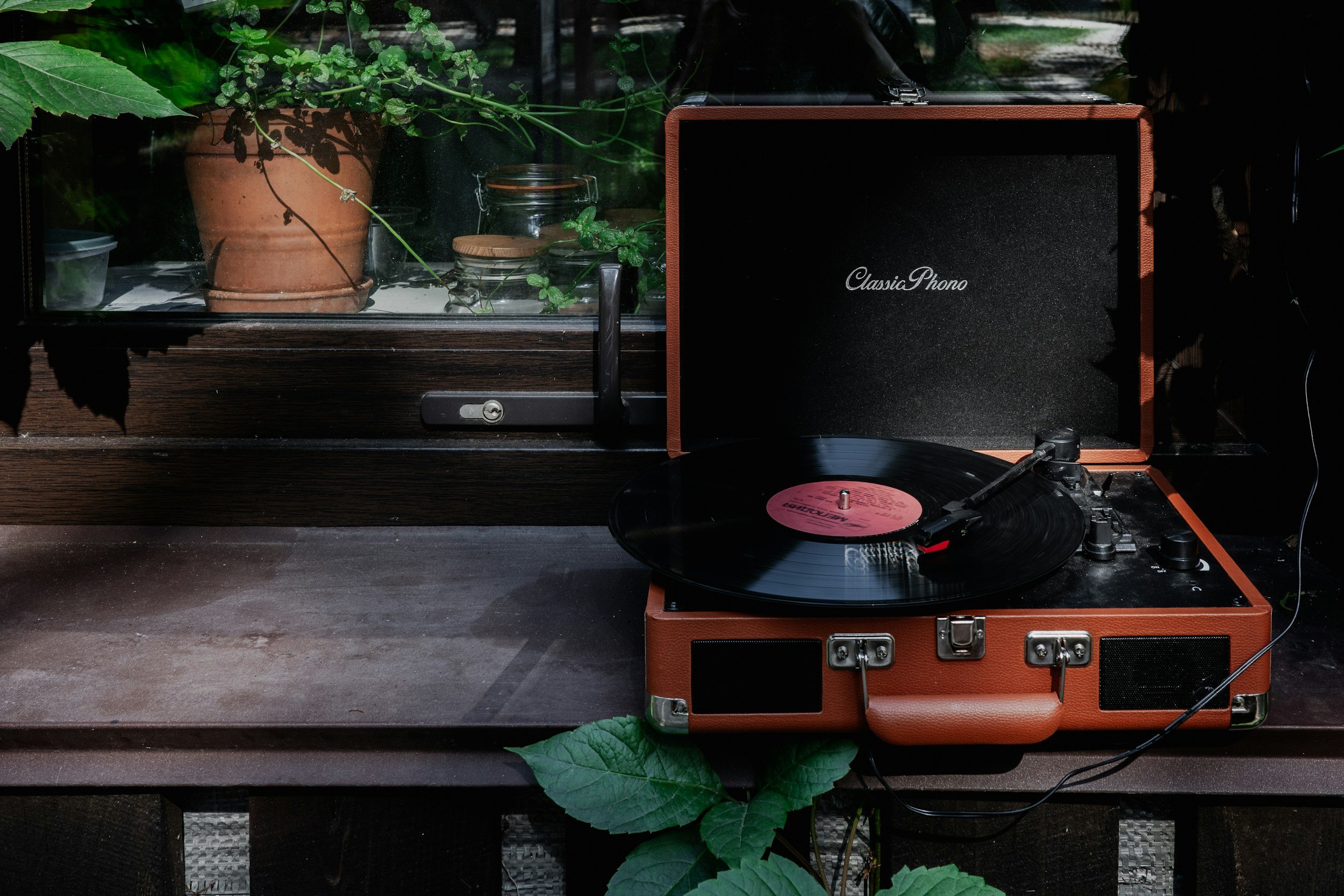
Think about our digital lives like a perfectly sterile hospital room. It is highly optimized. It is incredibly safe. But if you stay in there too long, your immune system sort of forgets how to work, and you start craving the dirt outside. Digital interfaces are sterile. Swiping a glass screen gives you no sensory feedback. Placing a heavy needle onto a grooved disc forces you to slow down. It demands a tiny bit of physical risk (you might actually scratch the record). That friction anchors you to the present moment. We buy useless, heavy objects because they are anchors. They keep us from floating away into the infinite scroll.
What This Means for Digital-First Design
If you are building a digital product today, you have to understand this craving for weight. The goal is no longer just making things faster or smoother. Total smoothness is actually creating a kind of sensory deprivation. You need to figure out how to build digital friction that feels satisfying.
I am not talking about throwing in artificial loading screens. I mean designing interactions that require deliberate, meaningful input. Maybe software needs to feel a little heavier. Maybe the tools we use should push back just a little bit. Because if you keep stripping away all the friction, your users are just going to close their laptops and go buy a heavy block of machined aluminum to remind themselves they exist.